Edition: July 2026
Wilder Horsham District (WHD) is a partnership between Sussex Wildlife Trust and Horsham District Council.
Established in 2020, Wilder Horsham District aims to restore wildlife habitats and reconnect the landscape. The small team supports coordinated action across multiple sites.
A focus on Pulborough to Storrington
One of WHD’s key focus areas runs between Pulborough and Storrington. This is a rich and varied landscape shaped by the Arun and Rother rivers, along with smaller watercourses such as the Stor and Chilt. Wetlands, heathland, farmland and woodland come together here, linking important nature reserves in the Arun Valley floodplain with the South Downs.
The area has been prioritised because of its strong potential for nature recovery and the high level of engagement from local landowners.
What has been achieved so far
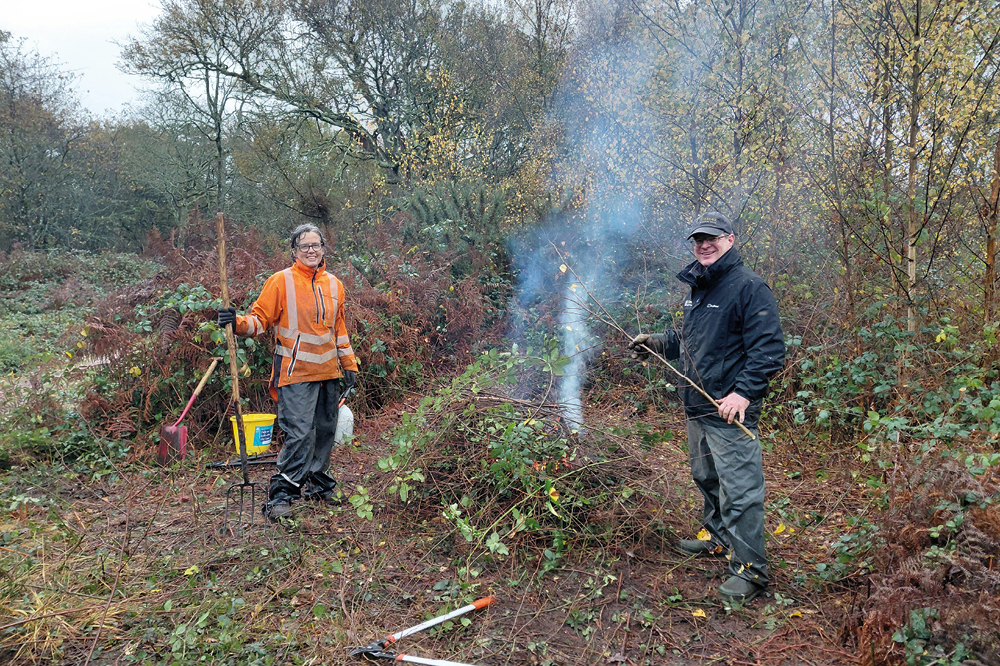
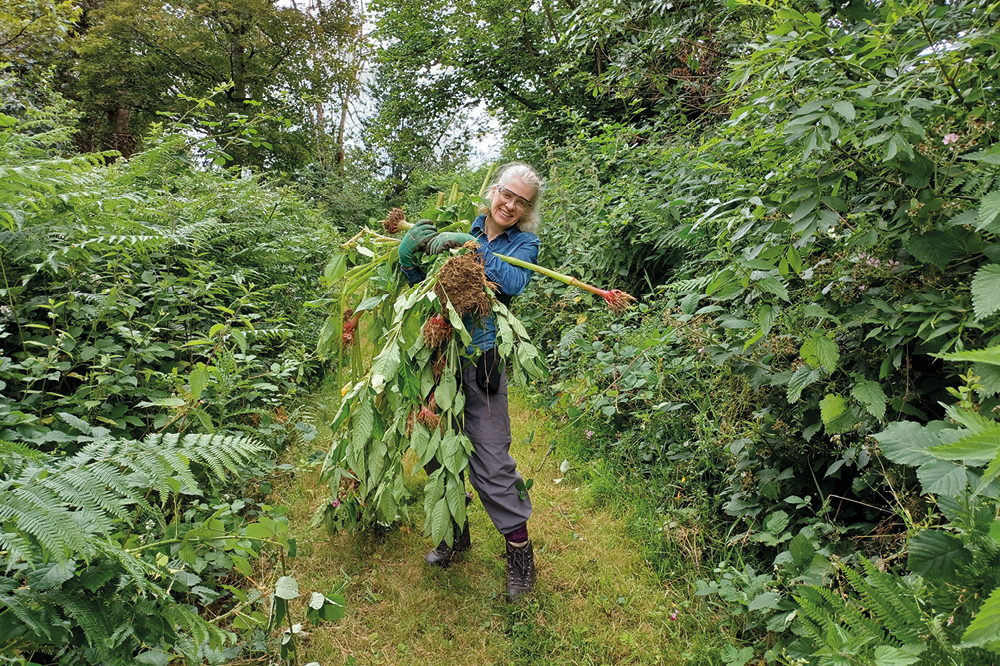
WHD has supported a range of practical actions across the area. These include working with the National Trust at Sullington to restore heathland (see right), lay hedgerows and plant an orchard, helping to strengthen links with nearby sites such as our own Sandgate Park. Efforts have also focused on tackling invasive Himalayan Balsam (pictured top) along local watercourses, protecting native plants and reducing riverbank erosion.
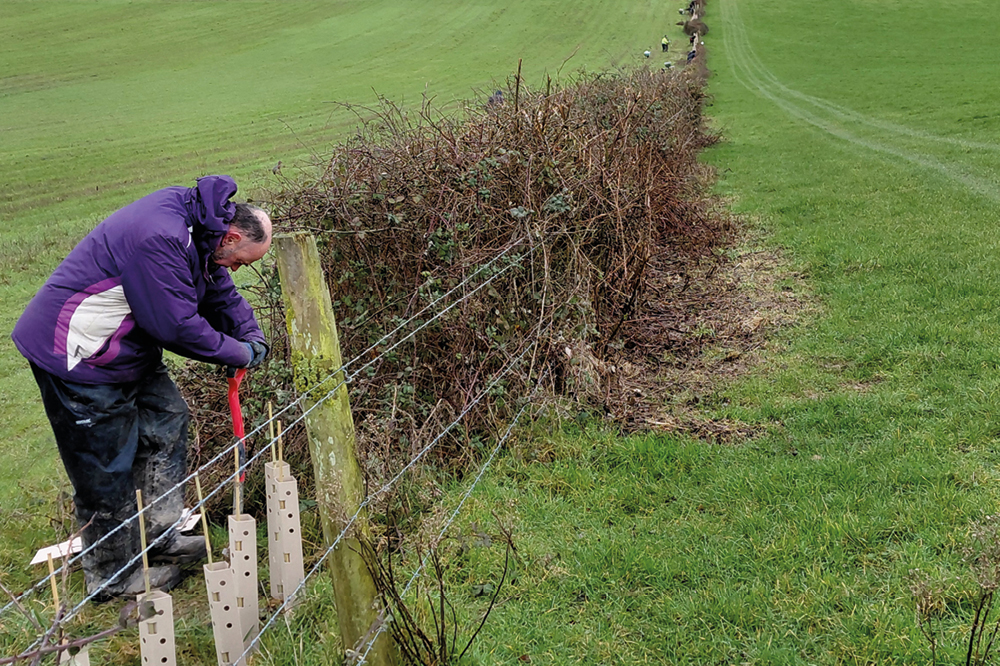
In the past year, the team has made 23 site visits to provide advice including on conservation grazing, as well as creating and managing hedgerows (see right), ponds, scrapes and woodland. Many of these sites form part of wider initiatives such as the Weald to Waves corridor and the Lost Woods of the Low Weald, further strengthening connections across the landscape.
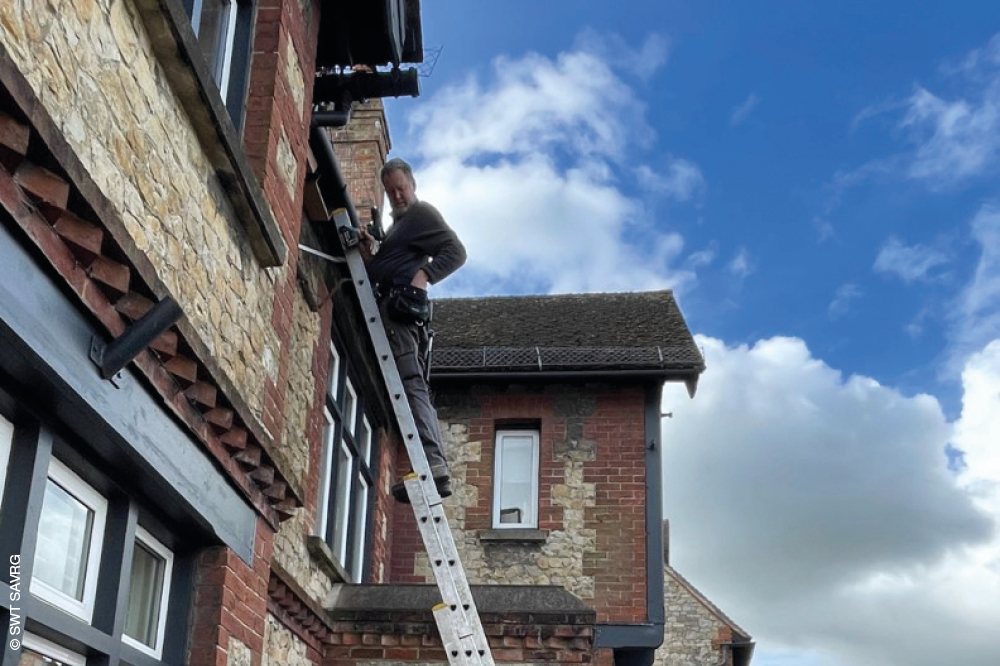
Community projects have also been supported through Nature Recovery Awards. Funding has helped install almost 200 nesting boxes for swifts (see right), swallows and house martins, alongside projects for barn owls, kingfishers and heathland and pond restoration.
Looking ahead
The Pulborough to Storrington corridor shows how local action can contribute to wider landscape scale change. The reach of the project in this area has already expanded beyond the core area into nearby communities such as Wiston, Washington and Ashington.
By continuing to build partnerships and support landowners, WHD aims to extend this network further, creating a more resilient and connected natural environment for the future.
Why this work matters
Nature cannot thrive in isolation. By reconnecting habitats, wildlife has the space it needs to move, adapt and survive in a changing environment. These nature corridors also support people by improving flood resilience, air and water quality, and pollination, while creating healthier, more attractive places to live and work.
Find out more
Learn more about Wilder Horsham District’s work and how you can get involved.
Read the latest edition

You may also like
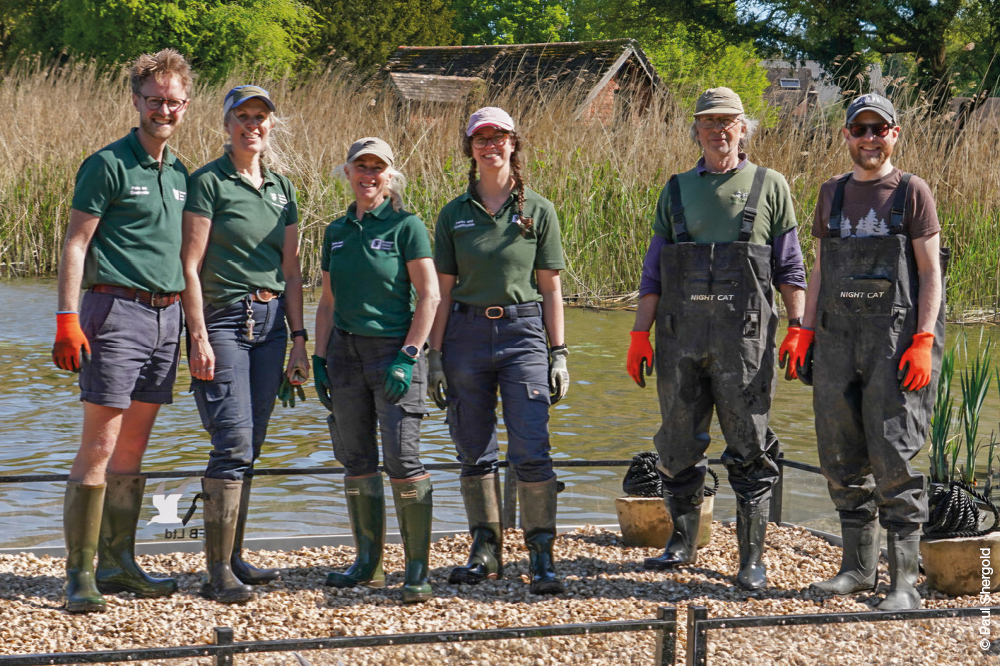
New Tern Rafts at Warnham Local Nature Reserve
We’re delighted to share that a brand‑new Tern Raft has been launched at the Reserve, providing a larger and improved nesting area for Common Terns.

You are invited to our Winter Warm Ups
Following the success of our free activity days in 2025, we’re delighted to invite you to our 2026 Winter Warm Ups.

Comment on our summer Local Plan consultations
Look out for two new Local Plan consultations inviting your views.